
01
Gently reduce pressure
Mechanical decompression gently stretches the spine with the goal of taking pressure off compressed or irritated discs.
If back pain is making it harder to sit, sleep, bend or move comfortably, non-invasive spinal decompression may help reduce pressure on the spinal discs and nerves.
Start with a no-cost conversation about your symptoms and whether an in-person evaluation may be the right next step.
Back pain can begin after lifting, a fall or an accident, or develop gradually as the spine changes over time. A careful evaluation helps distinguish muscular, joint-related and disc-related sources of pain.
If any of these symptoms sound familiar, a free consultation can help you decide whether to take the next step toward an evaluation.
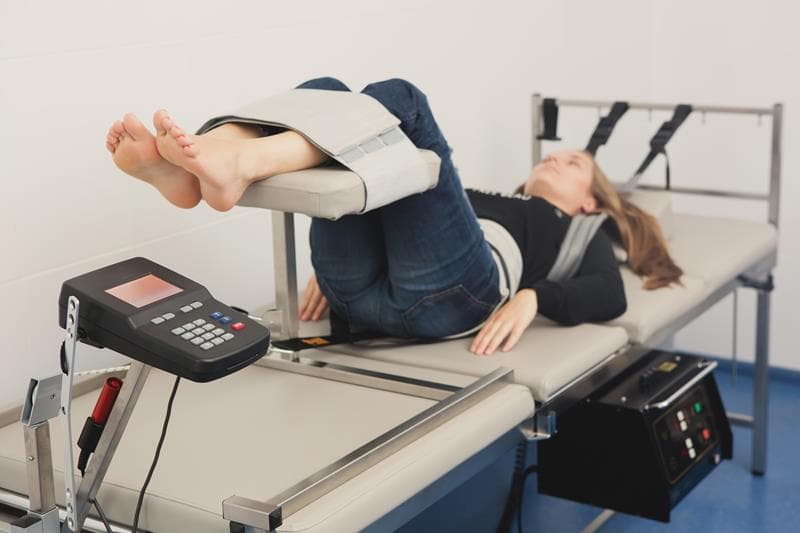
The procedure uses controlled, gentle stretching to reduce pressure within the spine. Your provider determines whether it fits your condition and broader care plan.
Mechanical decompression gently stretches the spine with the goal of taking pressure off compressed or irritated discs.
Reducing pressure may help a bulging or compressed disc move away from nearby spinal nerves.
Decompression may be combined with stretching, posture work, chiropractic care or physical therapy when appropriate.
Call for a free consultation now, or use the secure form if you would rather have the Absolute Wellness Center team follow up with you.
Call Now: (541) 546-0701 →A free consultation gives you space to explain what you are feeling, ask questions and learn whether an in-person spine evaluation makes sense.
Call Now: (541) 546-0701 →Understand each step before deciding whether spinal decompression is right for you.
Tell the clinic what you are experiencing and ask whether a spine evaluation may be appropriate.
Your provider reviews your history, performs a focused exam and considers available imaging.
If recommended, each 15-30 minute session is set up for your body and the spinal segment being targeted.
Your progress is reassessed, with stretching, posture work and lifestyle guidance added when appropriate.
Absolute Wellness Center brings evaluation, spinal decompression, chiropractic and rehabilitative care together in one Eugene clinic.
Medical and chiropractic perspectives can be coordinated under one roof instead of handled as disconnected visits.
When clinically indicated, on-site imaging can help clarify whether pain appears muscular, joint-related or disc-related.
Your recommendations are built around your examination, history, symptoms and movement goals.
Still unsure? The consultation is free. Call, explain what you are experiencing and ask whether spinal decompression may be worth evaluating.
Call (541) 546-0701Your free consultation is the place to begin. An in-person examination is still needed for recommendations specific to your condition.
It is a non-invasive mechanical procedure performed in the clinic. The equipment gently stretches the spine with the goal of reducing pressure on spinal discs and nearby nerves.
The clinic describes it as a gentle stretch, and many patients find sessions relaxing. Individual experiences vary, so discuss any concerns or sensitivities with your provider before beginning.
The clinic evaluates chronic back pain, disc-related pressure, bulging or compressed discs, and symptoms that may radiate into a hip or leg. A focused examination determines whether decompression is appropriate.
The clinic states that decompression sessions generally last 15-30 minutes. Your setup and schedule depend on the spinal segment being treated and your individual plan.
There is no single number that applies to everyone. Your provider can recommend a schedule after reviewing your condition, symptoms and response to care.
Yes, when appropriate. The clinic may coordinate decompression with chiropractic care, physical therapy, stretching, posture work or lifestyle guidance.
Spinal decompression is a non-invasive option, but it cannot guarantee that surgery will never be needed. An evaluation helps determine whether conservative care is reasonable for your situation.
Response varies by diagnosis and individual. Your provider can discuss reasonable expectations and reassess progress rather than promise a specific timeline.
It is a no-cost initial conversation about your symptoms, questions and possible next step. Any recommended examination, diagnostic imaging or treatment is separate.
Talk with Absolute Wellness Center and find out whether a spinal evaluation makes sense for you.